Lake Nakuru National Park gives visitors a rare chance to watch both rhino species in one fenced reserve. For years the park was famous for flamingos, but its safety and compact size have made it a major rhino sanctuary. If you have one morning to spend here, the area you choose matters more than what you pack or which gate you use. This article explains the Lake Nakuru safari best area for rhinos, zone by zone, so you can plan a productive drive.
What Is the Lake Nakuru Safari Best Area for Rhinos?
Start in Lake Nakuru’s southern sector, especially the open plains around the Naishi area and the southern sanctuary boundary. These tracks give the clearest views of grazing white rhinos, while nearby woodland and sanctuary edges can produce black rhino sightings. The best route varies with recent rain, vegetation and ranger information.
Most first-time visitors expect rhinos to be scattered across the whole park. In reality, rhinos choose habitat by what they eat. Southern open grassland suits grazing white rhinos. Denser acacia country suits browsing black rhinos. The table below gives a practical starting route.
| Zone | Rhinos most likely seen | Why it works | Best use |
|---|---|---|---|
| Southern open plains | White rhino | Short grass, long sightlines, reliable grazing | First hour of a morning drive |
| Rhino Sanctuary boundary and acacia cover | Black rhino | Thick cover holds browsing rhino | Slow second loop with binoculars |
| Causeway and lake margin | White rhino plus buffalo and waterbirds | Grass meets water and scattered woodland | Bonus loop after the south |
If you are new to the park, read the Lake Nakuru guide before choosing your route. It explains how much time to allow and how the entry points connect to the viewing zones.
Why Do the Southern Grasslands Work Best for White Rhinos in Lake Nakuru?
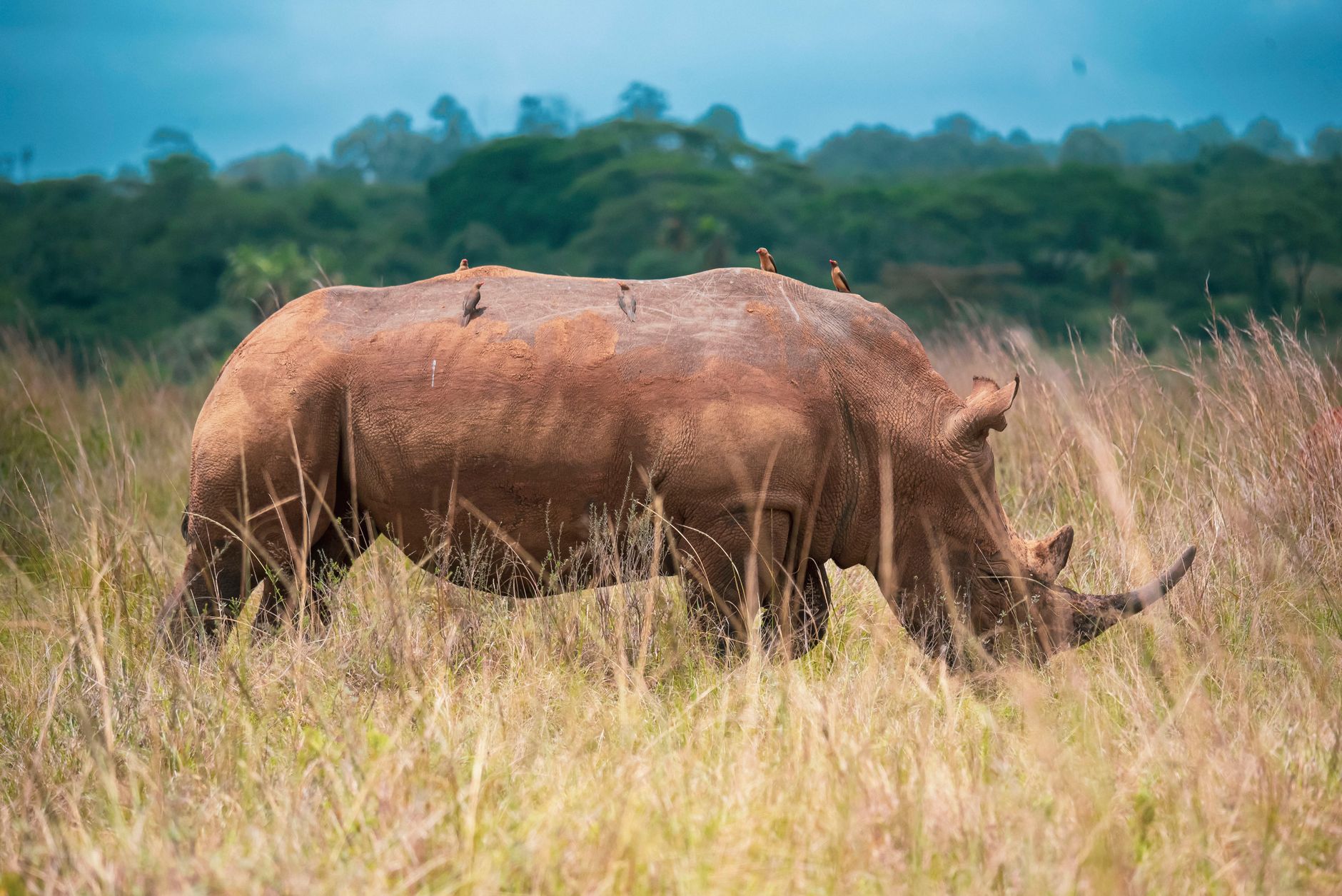
The southern open grasslands are the strongest choice for white rhinos because short grass and broad sightlines make grazing animals easier to locate. Check the Naishi area, southern plains and nearby tracks during the cool morning hours, when rhinos commonly feed before retreating toward thicker cover.
White rhinos have square mouths built for grazing grass, not leaves. Dry-season grass is short, so you can spot a herd from a long distance. After heavy rain the grass grows taller, and rhinos can disappear into drainage lines. Ask at the gate about recent sightings because the southern zone changes with water and pasture. A good driver will make this area the first stop, not the last.
Where Is the Best Place to See Black Rhinos in Lake Nakuru?
Look toward the Rhino Sanctuary boundary and denser acacia woodland for black rhinos. Black rhinos browse in thicker vegetation and are more wary, so sightings are usually less open and less predictable than white rhino encounters. Drive slowly, scan the bush edges and follow a guide’s local knowledge rather than expecting roadside views.
Black rhinos have pointed prehensile lips that allow them to pull leaves and twigs from acacia. That is why they spend more time in the bush than white rhinos do. On a good morning you may see one half-hidden along the southern sanctuary boundary or at the edge of a clearing. Binoculars help because black rhinos rarely stand in the open. If a guide says black rhinos are in the area, be patient. They may step into view only after the vehicle has been still for several minutes.
Do the Causeway and Western Shore Tracks Add Rhino Views?
The Causeway, lake margin and western-shore tracks can add productive rhino sightings, particularly where open grazing areas meet water and woodland. These locations also combine rhino viewing with zebra, buffalo and waterbirds, but shoreline conditions can change after rain. Treat them as part of a circuit, not a guaranteed substitute for the southern sector.
The Causeway is useful because the road crosses a broad stretch of habitat with a wide view. From the vehicle you can scan both the lake side and the grassland side without moving far. Western-shore tracks are quieter and may hold rhino that avoid the main traffic. If you have a second drive, add this loop at the end rather than swapping it for the southern plains. If you have only one drive, spend that time in the south and treat the Causeway as a bonus if time allows.
What Is the Best Time to See Rhinos in Lake Nakuru?
Plan the main rhino drive from park opening until about 9:30 a.m., when cooler temperatures encourage movement and feeding. Late afternoon can work again from roughly 4 p.m. to closing. June to October and January to February generally improve visibility through shorter grass and drier conditions, while wet periods can make tracks harder.
Rhinos do not sleep through the whole day, but they do rest in thick cover when temperatures rise. The early hours after opening are your best chance to find them feeding in clear areas. If you are on a full-day game drive, reverse the usual pattern. Look for rhino early, and leave the bird-watching and lake viewpoints for later. Exact park hours shift with season, so confirm opening and closing times with your operator before you book.
Are Rhino Sightings at Lake Nakuru Guaranteed?
Rhino sightings at Lake Nakuru are among Kenya’s most reliable, particularly for white rhinos, because the park is compact, fenced and managed as a sanctuary. A two- to three-hour morning drive often produces at least one sighting, but no responsible operator should promise a guarantee; black rhinos remain more elusive in dense cover.
Reliable still means wild. Rhinos can be at the far side of the lake on a foggy morning, and heavy poaching pressure in past decades means security teams are rightly cautious about revealing exact positions. However, rangers share daily updates with licensed guides. A well-connected driver will usually know where the best recent sightings have been. Ask that question before you leave the gate and use the answer to build your route.
If your Kenya itinerary begins in the Mara, compare how the two areas protect wildlife. The Masai Mara conservation levy funds a community-based model geared to the wildebeest migration. Lake Nakuru’s value is different. It is a fenced sanctuary where resident rhinos can be found in a short visit.
Is Lake Nakuru Better for Rhinos Than the Masai Mara?
For dedicated rhino viewing, yes, Lake Nakuru is generally better than the Masai Mara. The Mara holds black rhinos at low density over an enormous ecosystem, and white rhinos are not a reliable part of the Mara experience. Lake Nakuru concentrates both species inside a fenced sanctuary, so the odds improve in one short drive.
That does not mean Nakuru replaces the Mara. The Mara is one of Africa’s best places for big cats, open plains and river-crossing drama. It is simply a different safari. If your priorities are rhino, Lake Nakuru should come first. If you already have a Mara trip planned, add Nakuru as a dedicated rhino stop rather than hoping to spot one between lion sightings.
How Should You Watch Rhinos Responsibly?
Lake Nakuru’s fenced sanctuary helps protect both black and white rhinos, but visitors must still keep a safe distance, remain quiet and follow ranger instructions. Never pressure a rhino for a closer photograph, block its route or leave designated tracks. Conservation-minded driving protects animal behavior and keeps this exceptional viewing opportunity viable.
A fence does not make a rhino tame. Surprised rhinos can charge, especially females with calves. Stay in the vehicle, keep voices low and wait for the animal to move in its own time. Park staff set the required distance, and you should follow it. Review the Lake Nakuru safari park rules before your drive so you understand speed limits, vehicle access and the latest visitor guidelines.
Which Rhino Zone Should You Choose?
Choose the southern sector for the most reliable white rhino viewing on a Lake Nakuru safari. Add the Rhino Sanctuary edges and acacia cover if black rhino is your priority. Use the Causeway and lake margin as a second loop when time permits, and stay flexible with rain.
If you have one morning, start with the southern open plains and do not chase other animals until you have given rhino a fair chance. If black rhino is your target, split your morning between the sanctuary boundary and the denser woodland. Outside Nakuru, Laikipia’s best wildlife camps offer a different style of rhino conservation on private land, but Nakuru remains the most reliable first stop.
When you plan this drive, compare safari operators that know the southern sector and stay alert to daily ranger reports. FindMySafari, Valley Safaris and Trunktrails Safaris are good places to browse packages and see how different guides structure a Lake Nakuru itinerary.
Where Can You Find More Safari Planning Resources?
These external guides from partner safari sites add extra planning detail, including interactive maps, conservancy profiles and Big Five overviews. They complement what you already know about Lake Nakuru’s rhino zones and can help you plan the rest of a Kenya itinerary.
- Maasai Mara interactive map from SafariPure
- Ol Pejeta Conservancy guide from Trunktrails Safaris
- Rift Valley lakes map from Valley Safaris
- Big Five safari collection on FindMySafari